
Filling or Root Canal? How Dentists Decide
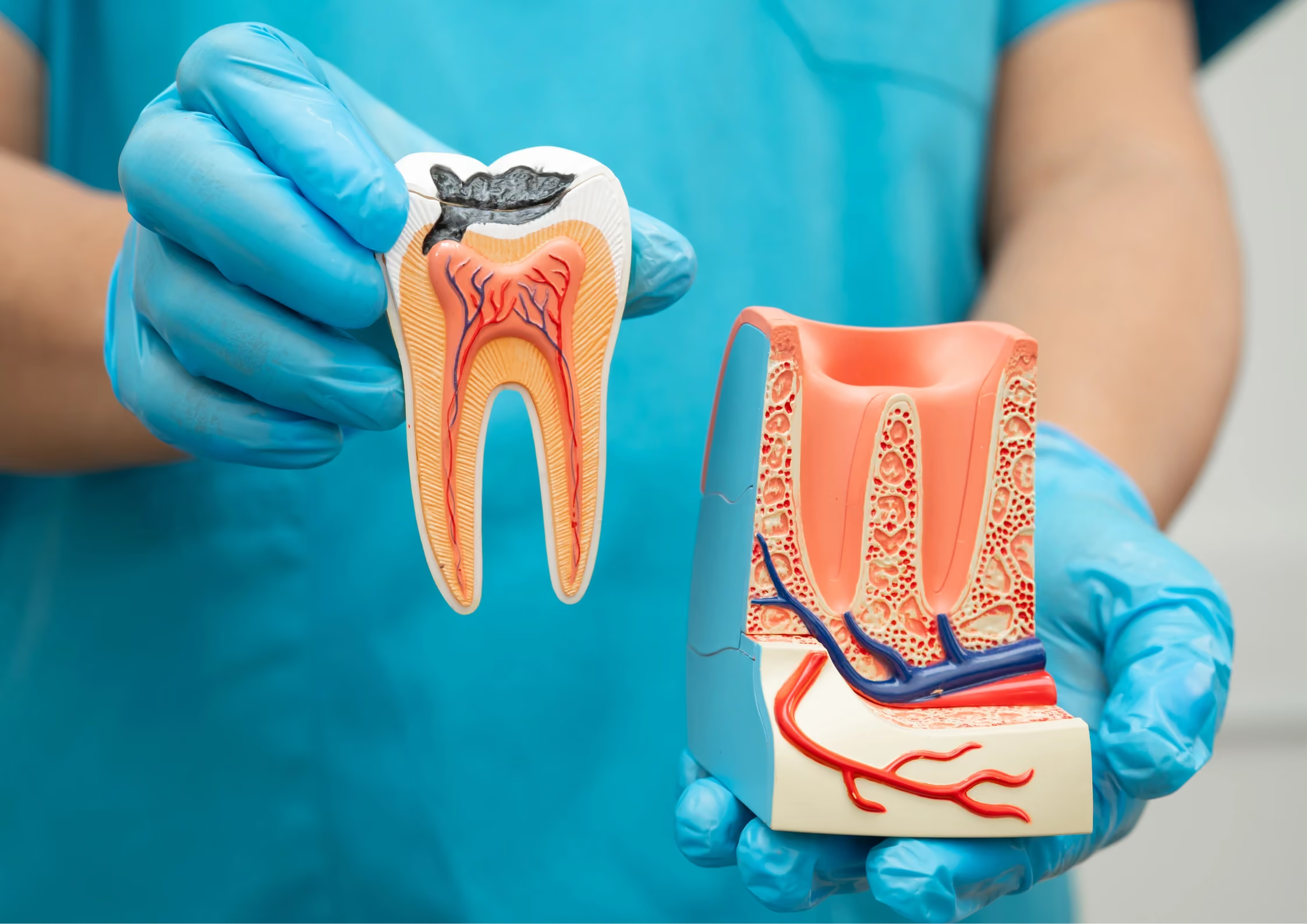
A filling is typically used when a cavity or minor damage affects the outer portion of the tooth.
You can think of it like repairing a crack in a windshield before it spreads across the entire surface. The damaged area is removed, and the space is filled to help restore the tooth's shape and function.
A filling may be recommended for:
In many cases, treatment can be completed in a single visit.
A root canal addresses a different problem entirely.
Inside each tooth is a chamber containing pulp tissue, which includes nerves and blood vessels. If decay, a deep crack, or trauma reaches this area, the tooth may no longer heal on its own.
Root canal treatment involves removing the damaged or infected pulp, cleaning the inner canals of the tooth, and sealing the space to help preserve the natural tooth structure.
Despite its reputation, the procedure is designed to relieve discomfort caused by inflammation or infection, not create it.
A root canal may be recommended when:
Whenever possible, saving the natural tooth remains the goal.
Not every tooth that needs a root canal causes dramatic symptoms.
Sometimes a person schedules an appointment because cold drinks suddenly linger longer than they used to. Other times, a dentist spots a concern on an X-ray before discomfort develops at all.
Some signs that may indicate the tooth requires closer evaluation include:
Symptoms provide clues, but they don't tell the whole story. Some teeth with significant damage stay relatively quiet, while others become sensitive earlier in the process.
This decision isn't based on one symptom or a quick glance.
Dr. McKinney evaluates several pieces of information together, including digital X-rays, the extent of visible decay, your symptoms, and how the tooth responds during examination.
The questions guiding treatment are often straightforward:
If the inner tissue remains healthy, a filling may be appropriate. When infection or irreversible inflammation is present, root canal therapy often offers the best chance of keeping the tooth.
Dental problems rarely stay exactly the same.
A cavity that could have been repaired with a filling today may continue progressing deeper into the tooth over time. That doesn't mean every small cavity immediately becomes a root canal, but delaying evaluation can reduce the number of straightforward treatment options available later.
Sometimes earlier treatment simply means a less complicated appointment.
Restorative dentistry focuses on helping damaged teeth function comfortably again while preserving natural tooth structure whenever possible.
Treatment recommendations vary from person to person and may include fillings, crowns, root canal therapy, or other procedures depending on the condition of the tooth.
You can learn more about these options on our Restorative Dentistry page.
Tooth sensitivity after ice cream doesn't automatically mean you need a root canal. At the same time, persistent discomfort shouldn't be ignored.
An exam can help determine what's happening beneath the surface and whether a filling, root canal, or another restorative treatment makes the most sense.
Visit the McKinney Family Dentistry to request an appointment or learn more about restorative services available in our Poway office.