
How Long Does Teeth Whitening Last?
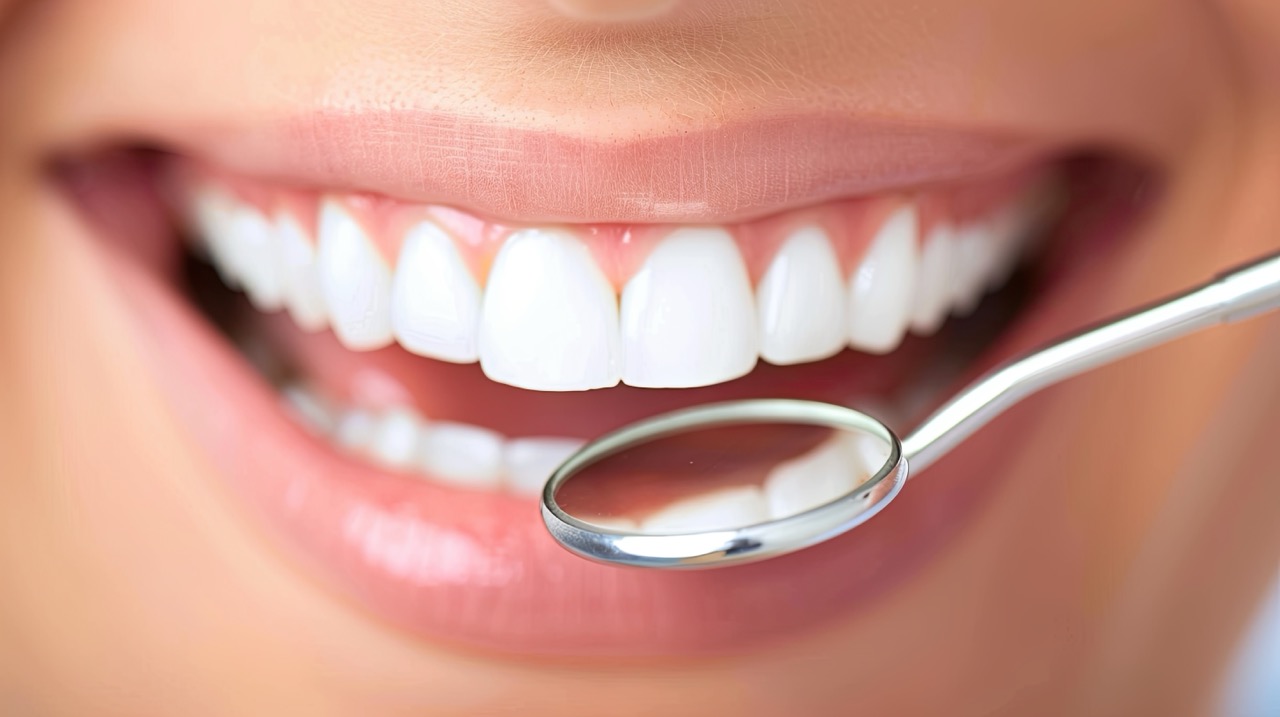
Professional teeth whitening can noticeably brighten your smile, but one question usually comes up before treatment even begins.
"How long will it last?"
The honest answer is that there isn't one timeline that fits everyone. Some people enjoy their results for a long time, while others notice stains returning sooner. Much of that depends on everyday habits rather than the whitening treatment itself.
At McKinney Family Dentistry in Poway, Dr. Chris McKinney helps patients understand what influences whitening results and what they can do to help maintain a brighter smile.
Your teeth don't stop being exposed to staining after treatment.
Every cup of coffee, glass of red wine, bowl of berries, or cigarette introduces pigments that can gradually settle on the enamel again. Whitening removes existing discoloration, but it doesn't prevent new stains from developing over time.
That's why two people who receive the same whitening treatment may have different experiences months later.
Morning coffee is part of many routines.
Dark-colored drinks like coffee and tea contain compounds that can gradually stain enamel. Drinking them doesn't erase whitening overnight, but regular exposure may shorten how long the brighter appearance lasts.
Some people choose to drink water afterward or rinse their mouth to help reduce staining between brushing.
Red wine combines two things teeth don't particularly enjoy, dark pigments and acidity.
The acidity can temporarily soften the surface of enamel, making it easier for pigments to settle. That doesn't mean you have to avoid red wine forever, but frequent consumption may influence how long whitening results remain noticeable.
Yes.
Smoking and other tobacco products are well known for causing stubborn surface stains. Even after professional whitening, tobacco use can lead to discoloration returning more quickly than it would otherwise.
For people trying to maintain a brighter smile, this is one of the biggest factors to consider.
Keeping teeth brighter isn't usually about making one dramatic change. Small habits often make a bigger difference over time.
Examples include:
These habits won't stop staining completely, but they may help slow the process.
Some people schedule occasional touch-up treatments when they notice gradual changes in tooth color.
The timing varies from person to person because everyone's eating habits, beverage choices, oral hygiene routine, and natural enamel respond differently over time.
Your dentist can recommend an approach that matches your goals without overusing whitening products.
Professional whitening is one part of cosmetic dentistry. Other treatments may address concerns such as chipped teeth, uneven spacing, or changes in tooth shape.
Results vary from person to person. Everyday habits such as coffee consumption, tobacco use, and oral hygiene all influence how long whitening remains noticeable.
Yes, but coffee may contribute to new staining over time. Your dentist may recommend waiting for a period after treatment and then rinsing with water after drinking coffee.
Red wine can contribute to surface staining because of its dark pigments and acidity.
Smoking can cause new stains to develop more quickly, even after professional whitening.
Good oral hygiene, routine dental cleanings, and being mindful of staining foods and beverages can help maintain whitening results.
Professional teeth whitening isn't about achieving a perfect shade forever. It's about improving the appearance of your smile and understanding how to maintain those results over time.
Visit the McKinney Family Dentistry to request an appointment or learn more about cosmetic dental treatments available in our Poway office.